
Not just a plant guy
I’m not entirely sure where to begin with our next profile, so maybe I will start with an admission of error on my part. Before my friend Olivier returned back to Geneva from his work escapades in the US, we had only crossed paths briefly, as he was on his way out of the work laboratory next to mine, while I was on my way in. We remained friends, especially through common friends, and when he returned, he invited us to a solo photography exhibit at La Fonte, which is a short stroll down the street from my place. I had always heard he was a talented photographer, but seeing it, and hearing the stories behind the pictures was another thing.
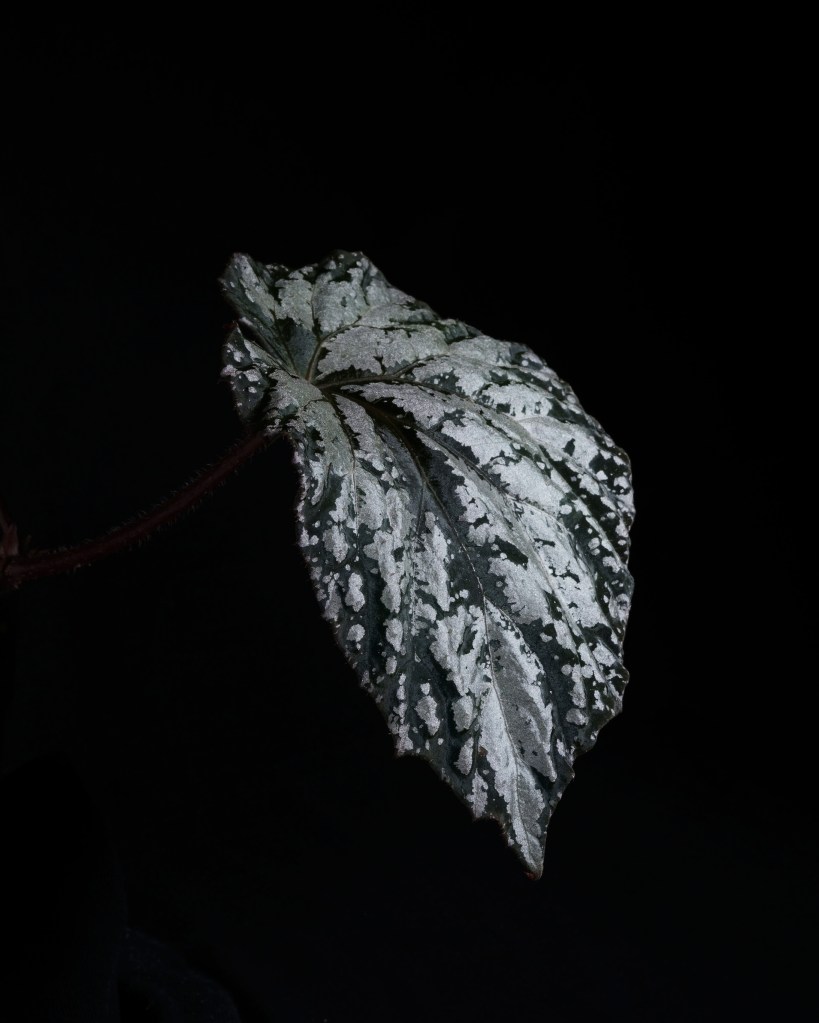
He invited us over to his place for dinner after the exhibit, and I remember taking him flowers as a welcome home gift (a tradition I like to keep alive every time I visit his place). Entering his apartment was (and still is) honestly like entering the garden of Eden, with a wide variety of gorgeous plants in every corner. So here begins my folly – because I think of Olivier as a plant expert. Whenever anyone has a plant-related question, Olivier is the first person who comes to mind. He crossbreeds plants to create new varieties, tends to a small greenhouse in his apartment, and even runs a dedicated account to showcase his botanical collection. So naturally I wanted to write a profile about his love for plants. But I was sorely mistaken, for when I asked him if I could write an article about his passion for plants, he looked at me bewildered and said, ‘Plants?!’. You see, Olivier has pursued a multitude of fascinations throughout his life, and is not defined by just one. So before his interview, I decided instead of focusing on just his love for plants, why not explore the common threads that bind his different affinities – especially the ones that stood the test of time.
A Mind Immersed
Olivier recalls that his godmother, a psychiatrist specializing in ADHD, diagnosed him only two years ago with the same. The manner in which he describes his deep engagement with his interests, aligns with the hallmark trait of hyperfocus that is often associated with ADHD. This ability to hyperfocus, seems to allow him to fully immerse himself in his interests, leading to remarkable depth and expertise. I view it almost as a sort of superpower, because the guy is good at a lot of things – and I don’t mean that he has surface-level knowledge; rather, he delves deeply into his passions, immersing himself fully in them.
One constant thread throughout Olivier’s various interests has been his desire to understand consciousness. His childhood fascination with nature, animals, and plants naturally led him to study biology. However, he saw neuroscience as a way to delve deeper into what he considers the most profound question of all: what is consciousness? This inquiry has shaped both his academic and artistic endeavours, influencing his approach to science, creativity, and spirituality – a recurring theme in his creative projects and a significant factor in his explorations of spirituality. Rather than separate interests, these are all facets of the same fundamental question that has followed him throughout his life.
While Olivier has explored numerous passions over the years, certain pursuits have remained particularly meaningful to him. Martial arts became one of the most enduring constants in his life. He started training in Vietnamese martial arts as much as 4 times a week as a teenager, and this dedication later shifted his focus to Thai boxing during his PhD, even commuting from Geneva to Neuchâtel for classes. Currently an avid boxer, he finds that fight-sports are not just great for building physical strength, but also confidence and a sense of focus that helped him navigate life with ADHD.
Art has also been a steady companion in his journey. What began as drawing and graffiti during his teenage years evolved into a profound passion for photography. Photography, for Olivier, is more than just a hobby; it is the medium through which he most fully expresses himself. It combines observation, creativity, and technical skill, aligning perfectly with his inquisitive nature. I wholeheartedly encourage you to check out his full portfolio on his website or Instagram page because his work is absolutely stunning.
His time in the US as a postdoc further expanded his creative repertoire. He refined his photography skills and ventured into generative coding – the process of using algorithms, programming, and computational techniques to create art. This blend of coding and creativity marked a new chapter in his journey, demonstrating his ability to merge analytical thinking with artistic expression.
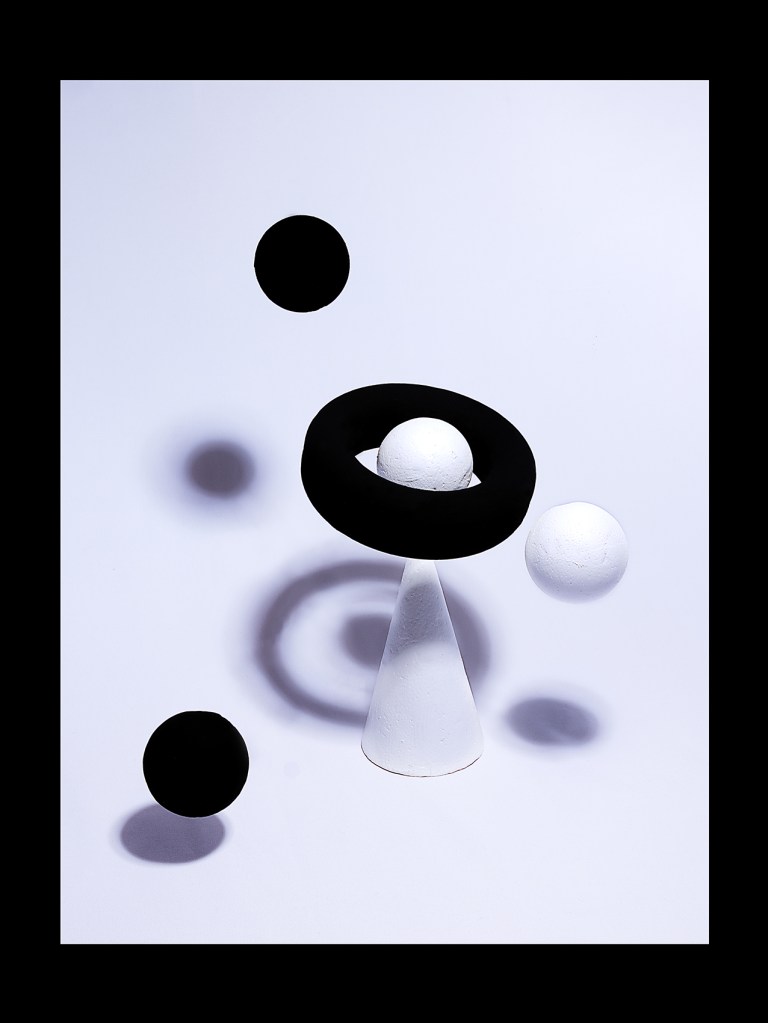
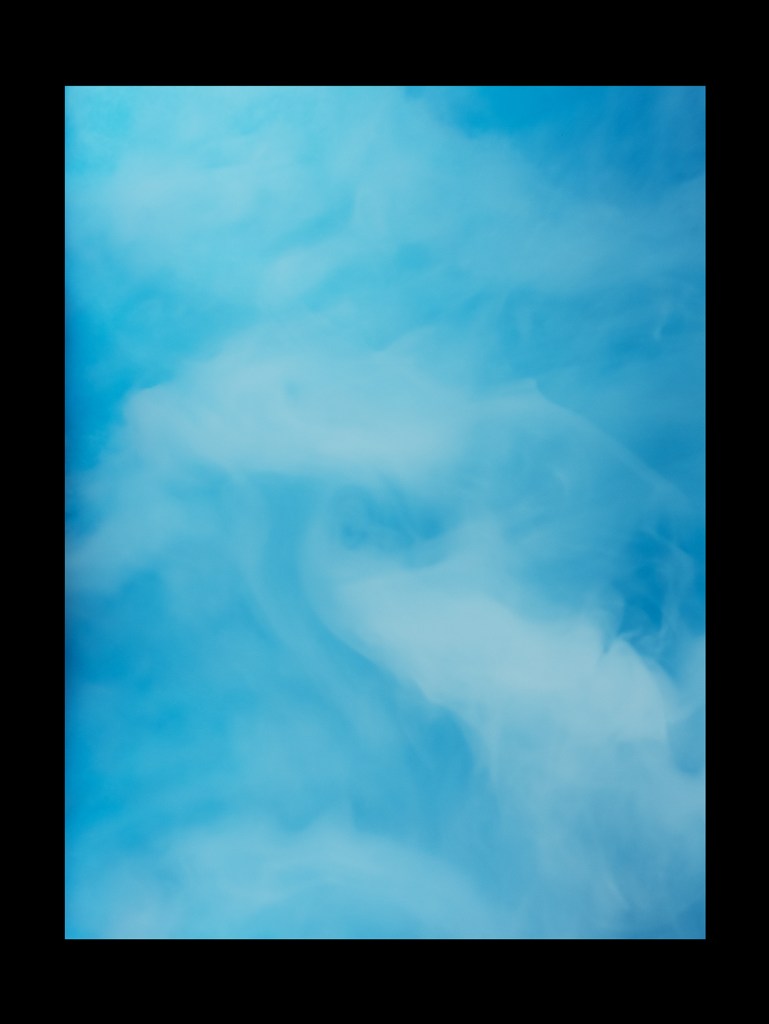
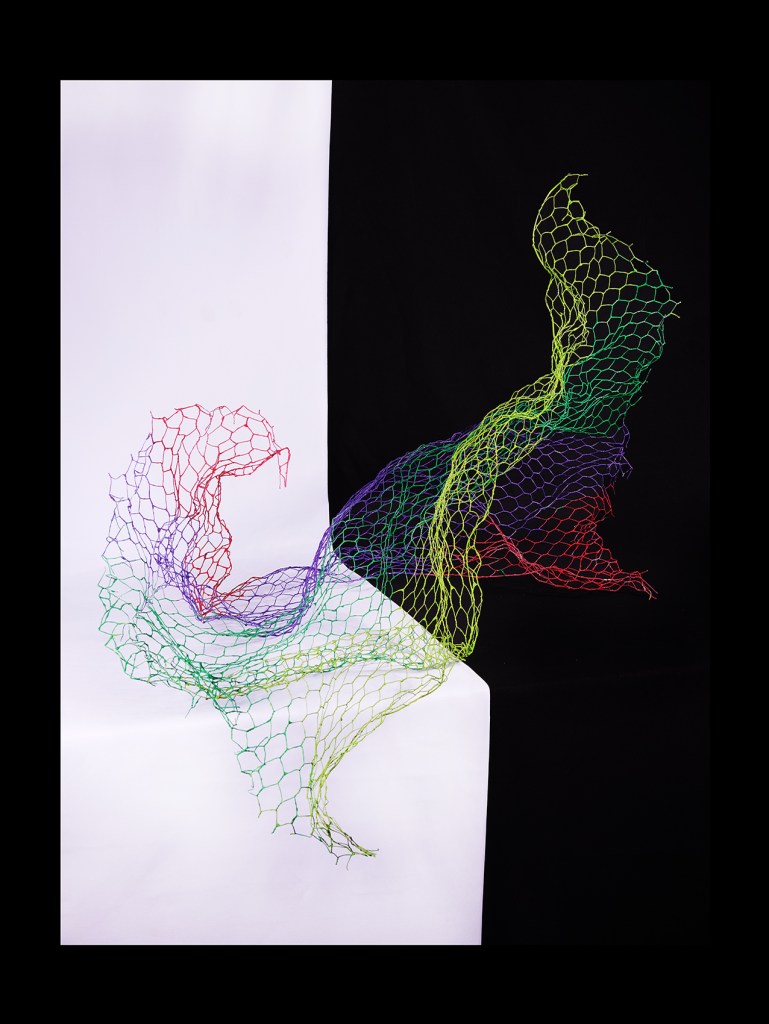
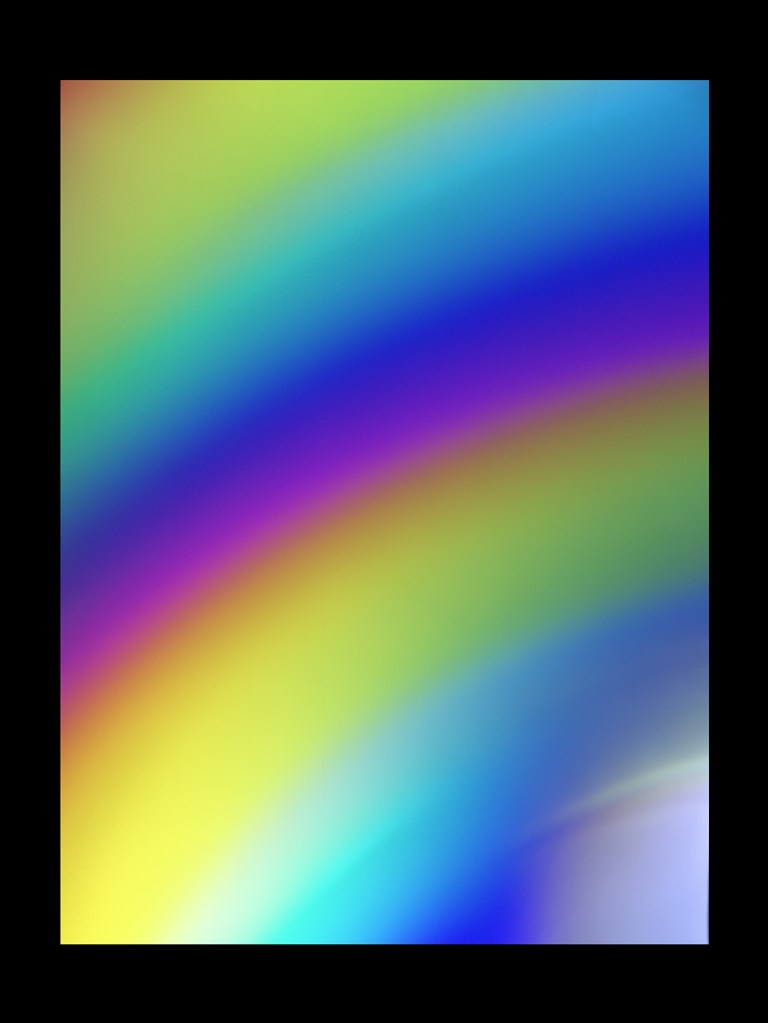


But also a little bit of a plant guy
Although we have established that Olivier is far more than just a “plant guy” as I had originally pinned him down as (oops, my bad!), we will not ignore his undeniably cool love for plants. His fascination with them started between the ages of 16 and 20, when his godmother gifted him books about orchid species. When his older sister left home, Olivier converted her room into a full-fledged orchidarium – complete with blinds, pebbles to increase humidity, and a collection of 10 orchids. He fondly recalls visiting the Orchidarium in Prangins as a teenager, always excited for each trip.
His interest in plants is rooted (pun intended) in a lifelong fascination with living things, especially ones that seem so different from us and so much more difficult to relate to. During his bachelor’s degree at the University of Neuchâtel, although he was not studying to become a botanist by training, he took numerous biology courses in botany. One course, in particular, stood out, where students had to choose a biological habitat, collect and dry plants from it over time, and identify them – a project known as herbier in French (herbarium in English). Olivier chose a spot in the countryside near his home and loved walking along the river, observing how the habitat evolved with the seasons. The project not only deepened his appreciation for plants but also allowed him to explore their changing beauty in a hands-on way.
Upon returning to Geneva from the US after his postdoc many years later, his passion for plants was rekindled in an unexpected way: with a few IKEA plants. What began as a small purchase quickly transformed into an apartment that looked like a lush, vibrant greenhouse. His scientific curiosity even intersected with his love for plants when he conducted a simple yet creative experiment with vines. Using a two-alternative forced-choice (2AFC) task, Olivier set up 2 poles to observe how vines chose which to grow toward. He then cut the vine and repeated the process to see if it showed any preferences or randomness in its growth. The experiment was a charming fusion of his scientific mindset and his appreciation for plants’ subtleties.
When I asked Olivier why he loves plants so much, he spoke about their beauty, which he finds endlessly captivating, but also about their intelligence. He finds them incredibly intelligent, a quality often overlooked by most people since they have such a different kind of intelligence to us humans. This notion of intelligence in non-human life ties back to his broader fascination with consciousness – how different organisms perceive and interact with the world. For Olivier, plants are more than just decoration or a hobby; they are a connection to the natural world and a continuous source of insight into the diverse expressions of intelligence and awareness. This is a passion that seems like it will stick – after all, plants have become a constant presence in his life, and he says he cannot imagine not having them around.


The age old debate: Job vs Passion
While wrapping up what was a riveting interview that really got my own brain gears turning, I asked him why he did not pursue for example photography or botany as a full-time career. Despite his deep fascination with the different activities I previously outlined, Olivier knew early on that he could not turn his passions into his profession, as he does not believe he could stay passionate about the same thing for a lifetime. For instance, while photography is one of his greatest loves, he does not find it intellectually stimulating enough to make it his career. Instead, he chose a different path, one centred on statistics and analytics. He feels comfortable working on these tasks for hours without tiring, and does not seem worried about losing interest in them. For Olivier, separating work and passion seems to be the secret to maintaining both.
This really got me thinking about a debate that I am sure has been had across countless dinner tables and train carriages. Should people make their passions their jobs? Or does doing so risk diluting the joy they bring us? After our conversation, I am starting to believe it is perfectly fine to keep our passions as pursuits for evenings and weekends, something to look forward to after work. This balance allows passions to remain pure sources of inspiration and fulfilment. After all, if everyone turned their passions into their jobs, countless essential roles in the world might go unfulfilled. This is not to say that we should not find happiness in our careers, and to pursue jobs that are useful in the society we live in. By embracing his interests as facets of his life rather than the foundation of his career, Olivier has found a way to nurture both his intellectual and creative sides. It is a thoughtful reminder that we do not always have to merge our passions and professions – and that sometimes, it is precisely this separation that allows both to thrive. What are your thoughts on the matter? Is your job your passion?
 Talks in Tan-dem
Leave a comment